ReadNovaX Blog
Interactive Fiction in 2026: The Future of Web novels
Discover how interactive fiction is transforming web novels in 2026 and why reader-driven storytelling is shaping the future of digital publishing.
By ReadNovaX Team · Published 20 May 2026 · Last Updated 26 Jul 2026 · 12 min read

The Rise of Interactive Fiction: How Readers Are Shaping the Future of Web novels
For decades, storytelling followed a simple formula. Authors wrote stories, publishers distributed them, and readers consumed them passively. The relationship between creator and audience was distant, structured, and mostly one-sided.
But the digital storytelling revolution has completely changed that model.
In 2026, readers no longer want to simply observe fictional worlds from a distance. They want to participate in them. They want their opinions to matter, their theories to influence events, and their emotional investment to shape the direction of the story itself.
This shift has given rise to one of the most exciting transformations in modern publishing: interactive fiction.
From reader polls and community-driven plot twists to real-time character decisions and collaborative world-building, interactive storytelling is redefining what web novels can become.
For emerging platforms like ReadNovaX.in, this evolution creates a massive opportunity. Independent writers are no longer dependent on traditional publishing systems or algorithm-heavy content platforms. Instead, they can build highly engaged communities where readers become active participants in the storytelling experience.
The future of web novels is no longer about passive reading.
It is about shared storytelling.
What Is Interactive Fiction in 2026?
Interactive fiction, often shortened to IF, refers to stories where readers influence the narrative in some way. While the concept has existed for years through classic “Choose Your Own Adventure” books and early text-based games, the 2026 version of interactive fiction is far more advanced, dynamic, and community-driven.
Modern web novel readers expect interaction.
They do not just leave comments after finishing a chapter. They theorize about future arcs, debate character motivations, vote on important decisions, and sometimes even inspire entirely new subplots.
In today’s digital storytelling landscape, interactive fiction is less about branching endings and more about ongoing collaboration between writers and readers.
This collaborative structure has become especially powerful on web novel and short-story platforms where content is released chapter by chapter. Unlike traditional books that are finalized before publication, web novels evolve in real time.
That flexibility allows authors to adapt their stories based on audience reactions.
For example:
- A side character receiving overwhelming reader support may become central to the plot.
- A fan theory posted in the comments may inspire a major twist.
- Reader polls may determine which faction wins a war or which romantic relationship develops.
- Community feedback may reshape the pacing, tone, or direction of an arc.
This creates a storytelling experience that feels alive.
Readers stop feeling like consumers.
They begin feeling like contributors.
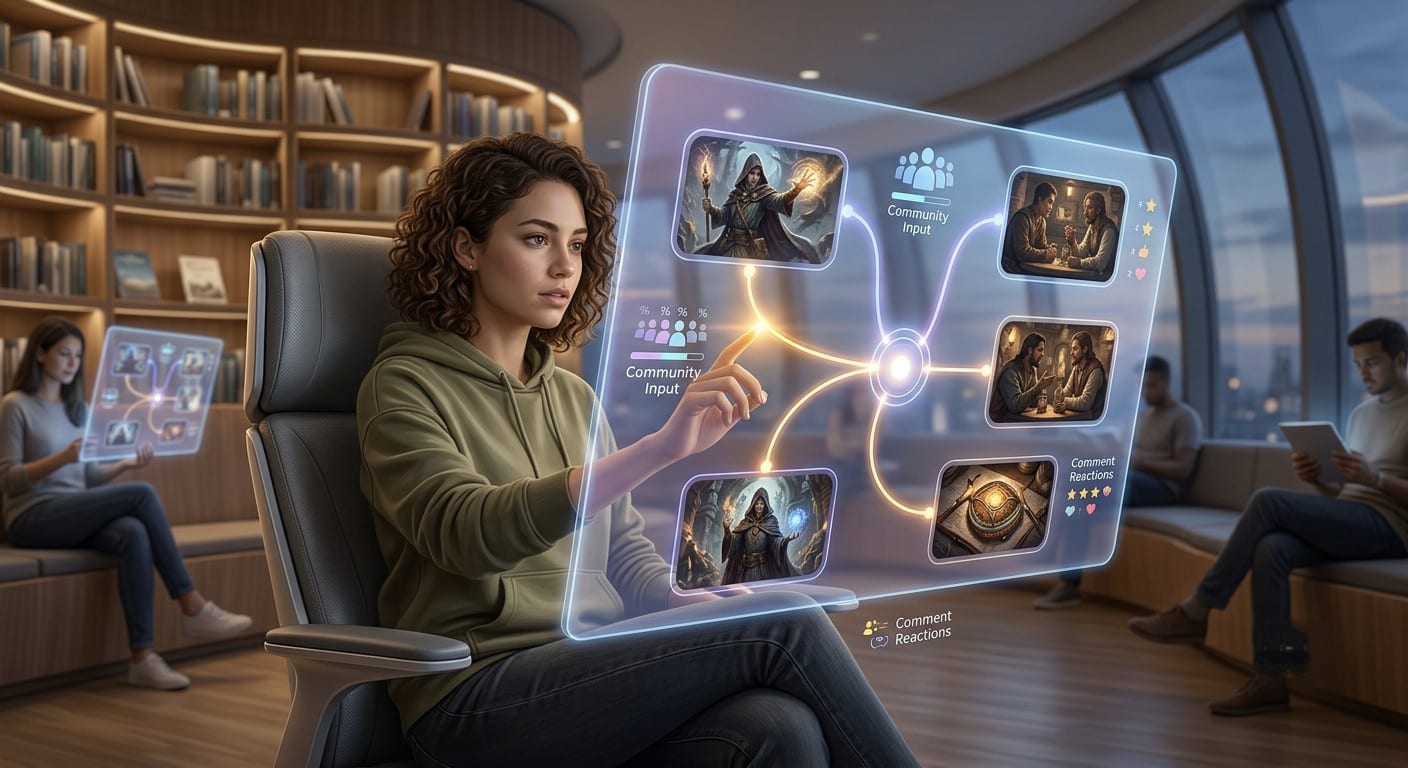
Why Interactive Fiction Is Growing So Fast
The explosive growth of interactive storytelling is not accidental.
It reflects changing audience behavior in the digital era.
Modern internet users are deeply accustomed to participation. Social media platforms reward interaction. Livestreams encourage real-time engagement. Gaming communities thrive on collaborative experiences.
As a result, younger audiences naturally expect entertainment to be responsive.
Traditional storytelling often feels static compared to the interactive digital environments people engage with daily.
Interactive web novels solve that problem by turning storytelling into a living ecosystem.
Several major factors are fueling this rise:
1. Readers Want Emotional Ownership
When readers influence a story, they become emotionally attached to its outcome.
A reader who voted to save a character during a crucial chapter experiences the result differently from someone simply reading a prewritten story. The emotional investment becomes personal.
This sense of ownership dramatically increases reader loyalty.
Instead of casually following a story, audiences begin actively supporting it, discussing it, and promoting it within their communities.
2. Community Engagement Creates Viral Momentum
Interactive stories naturally generate discussion.
Every major decision becomes content for debate:
- Which choice is best?
- Which character deserves redemption?
- Which theory is most likely true?
- What should happen next?
These conversations create organic engagement that helps stories spread across social platforms, forums, and fan communities.
A highly engaged fanbase often becomes more powerful than traditional advertising.
3. Readers Crave Personalized Experiences
Modern audiences increasingly prefer content that feels tailored to them.
Interactive fiction creates that feeling by allowing readers to influence outcomes directly.
Even small interactions can make audiences feel seen and valued.
This personalization strengthens the relationship between creators and readers in ways traditional publishing rarely achieves.
4. Web novels Are Perfect for Real-Time Storytelling
Unlike traditional novels, web novels are published gradually.
This chapter-by-chapter release model naturally supports audience participation.
Writers can adapt quickly based on feedback, making the storytelling process flexible and responsive.
That adaptability is one of the biggest advantages independent creators now possess.
The Mechanics of Interactive Storytelling
Creating successful interactive fiction requires more than simply asking readers what happens next.
The best interactive authors design systems that encourage meaningful participation while still maintaining narrative quality.
Here are some of the most effective strategies modern web novel creators are using in 2026.
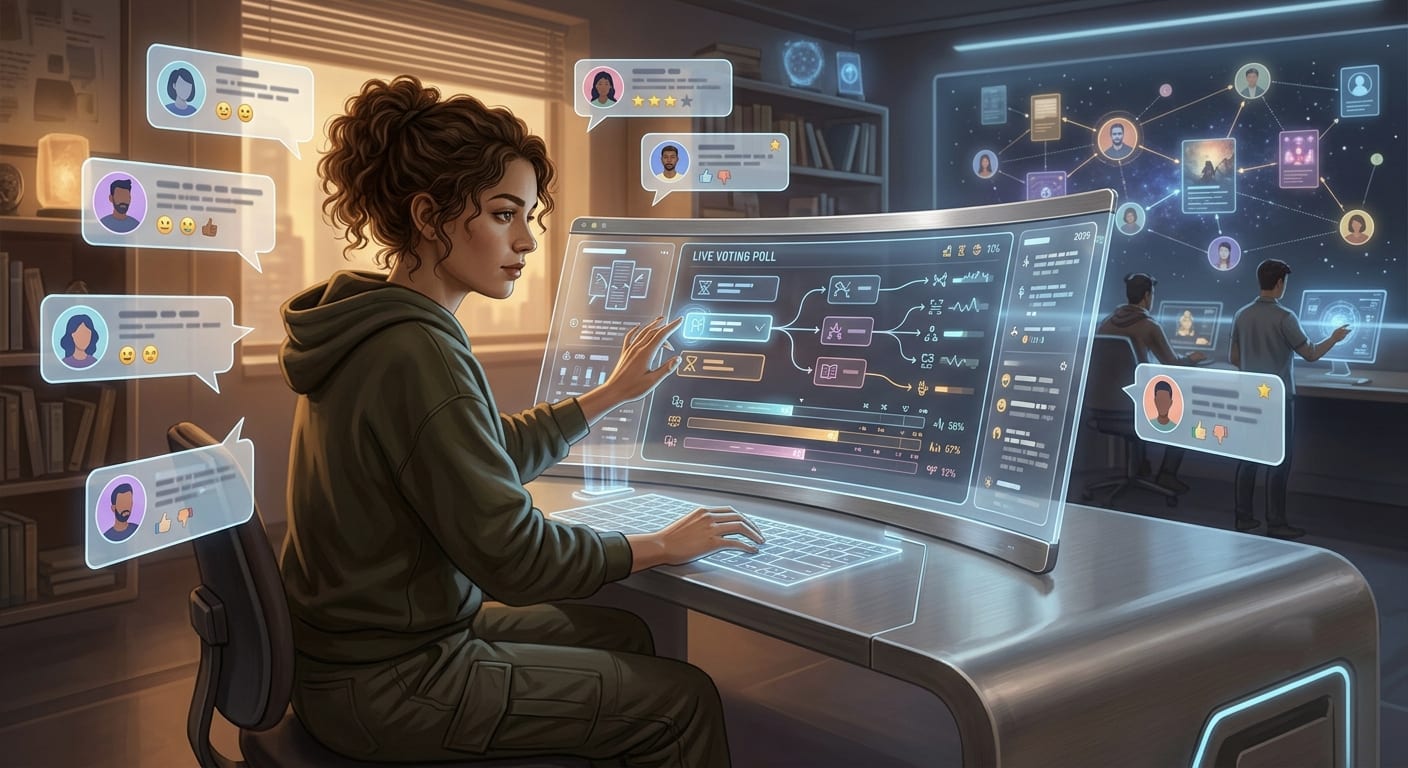
Real-Time Polling
One of the simplest and most effective engagement tools is chapter-end polling.
At the conclusion of a major cliffhanger, authors present readers with multiple possible directions.
For example:
- Should the protagonist trust the mysterious stranger?
- Should the kingdom declare war?
- Which path should the hero take?
Readers vote, and the winning result influences the next chapter.
This approach keeps audiences returning consistently because they feel their participation matters.
It also increases anticipation between updates.
Comment-Driven Plot Development
Smart authors closely monitor their comment sections.
Reader theories often contain brilliant ideas, emotional insights, or unexpected twists that writers may not have originally considered.
By incorporating audience theories into the story, authors reward engagement while strengthening the collaborative atmosphere.
When readers realize their ideas can influence canon events, participation skyrockets.
Character Q&A Sessions
Another popular strategy involves hosting “in-character” Q&A sessions.
Readers ask fictional characters questions directly, and authors respond while staying fully immersed in the character’s personality.
These interactions deepen world-building while helping readers develop stronger emotional connections to the cast.
Sometimes these conversations even inspire future storylines.
Community-Based World Building
Some authors invite readers to help shape specific parts of the story world.
This can include:
- Naming cities or factions
- Designing magical abilities
- Suggesting guild systems
- Creating side quests
- Building cultural traditions
This collaborative method turns the audience into part of the creative process itself.
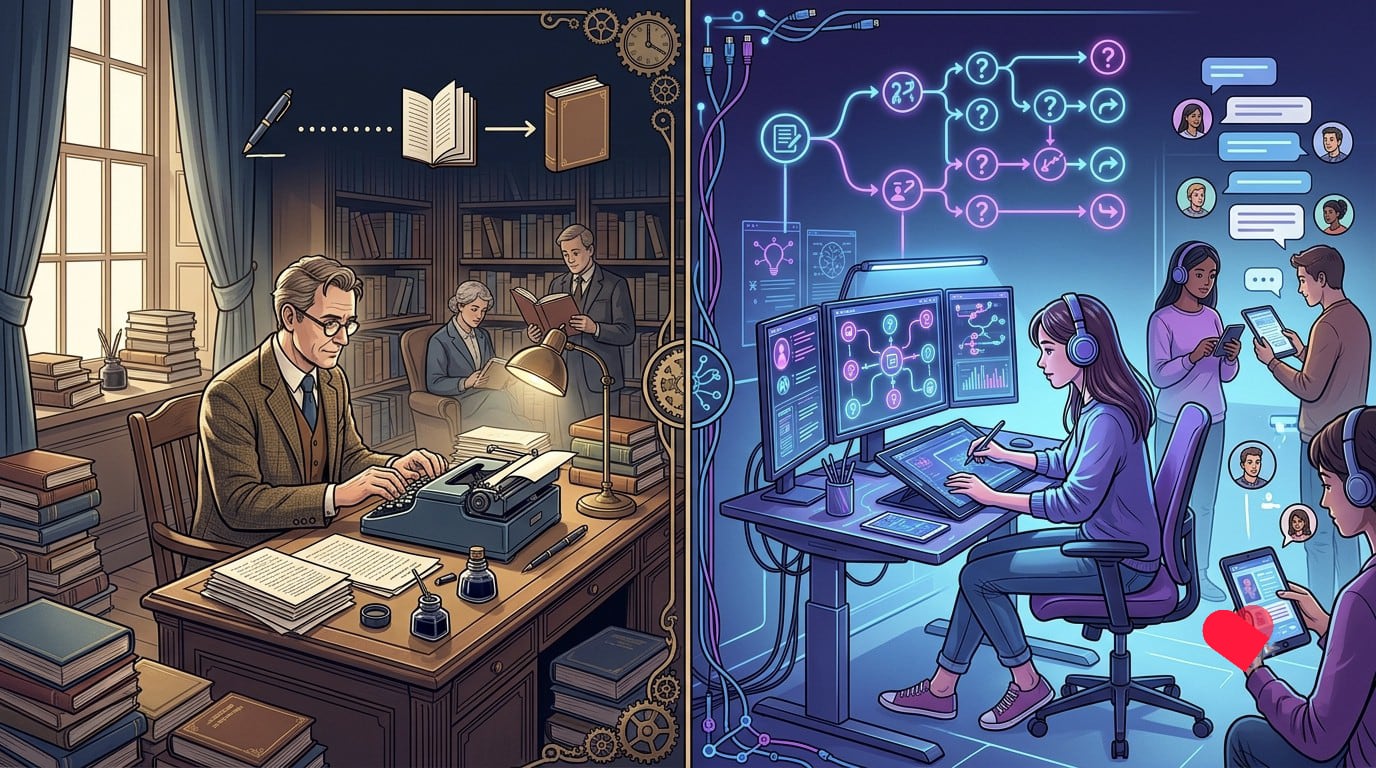
Traditional Web novels vs Interactive Fiction
Many writers wonder whether they should pursue traditional storytelling or experiment with interactive fiction.
Both approaches have advantages.
The best choice depends on the author’s goals, personality, and writing style.
Traditional Web novels
Advantages
- Complete creative control over every plot point
- Easier long-term narrative planning
- Stronger consistency in pacing and themes
- Simpler adaptation into print formats later
- Reduced pressure from audience expectations
Challenges
- Harder to maintain reader engagement over long series
- Slower community growth
- Increased competition on large platforms
- Less audience interaction and retention
Interactive Fiction
Advantages
- Extremely high audience engagement
- Stronger reader loyalty and retention
- Higher viral potential through community discussion
- Faster growth for independent creators
- More organic feedback during the writing process
Challenges
- Requires flexibility from the author
- Audience expectations can become demanding
- Frequent updates may be necessary
- Plot consistency becomes more difficult
- Writers must balance reader input with narrative quality
For many modern creators, the ideal solution is a hybrid model.
Instead of surrendering total control, authors selectively involve readers in specific decisions while preserving the overall vision of the story.
This balance often creates the best experience for both creators and audiences.
Why Readers Are Emotionally Addicted to Interactive Stories
The psychological power of interactive fiction runs deeper than entertainment.
Humans naturally seek agency.
In real life, people often feel powerless over large systems and unpredictable events. Interactive storytelling provides a rare emotional experience where choices feel meaningful.
When readers influence fictional outcomes, they experience:
- Emotional validation
- Personal connection
- Social belonging
- Creative contribution
- Narrative ownership
This creates significantly stronger engagement than passive entertainment.
Readers are not simply following a story.
They are participating in its evolution.
That participation creates emotional memories.
It is the difference between watching history happen and helping shape it.
This emotional intensity explains why interactive communities often become incredibly loyal.
Fans who contribute ideas, theories, and votes feel personally invested in the success of the story and the author.
Why Platforms Like Readnovax.in Matter
Large platforms such as Wattpad and Royal Road have massive audiences, but they also come with heavy competition, complicated algorithms, and discoverability challenges.
For new writers, standing out can feel nearly impossible.
That is why smaller, creator-focused platforms are becoming increasingly important.
Readnovax.in offers a cleaner and more community-oriented environment where emerging authors can experiment with storytelling without getting buried beneath massive algorithmic systems.
This type of platform is especially valuable for interactive fiction because direct engagement matters more than raw traffic numbers.
Writers need readers who participate.
Not just readers who scroll.
A focused storytelling community allows:
- Better author-reader interaction
- Faster feedback loops
- Stronger fan communities
- More experimental storytelling formats
- Higher engagement quality
For independent authors building long-term careers, community quality often matters more than platform size.
Success Stories: How Reader Participation Creates Viral Web novels
Across the digital storytelling industry, countless web novels have exploded in popularity because of reader interaction.
Some stories began as simple side projects with only a few readers.
But once audiences started influencing events, the community itself became the engine driving growth.
In many cases:
- Side characters became fan favorites and received expanded story arcs.
- Reader-created theories generated unexpected twists.
- Community discussions attracted new audiences.
- Interactive voting systems created weekly anticipation.
- Fan involvement transformed small stories into massive franchises.
This proves an important truth about modern storytelling:
People do not just want content.
They want connection.
The most successful web novels of the future will not simply entertain readers.
They will involve them.
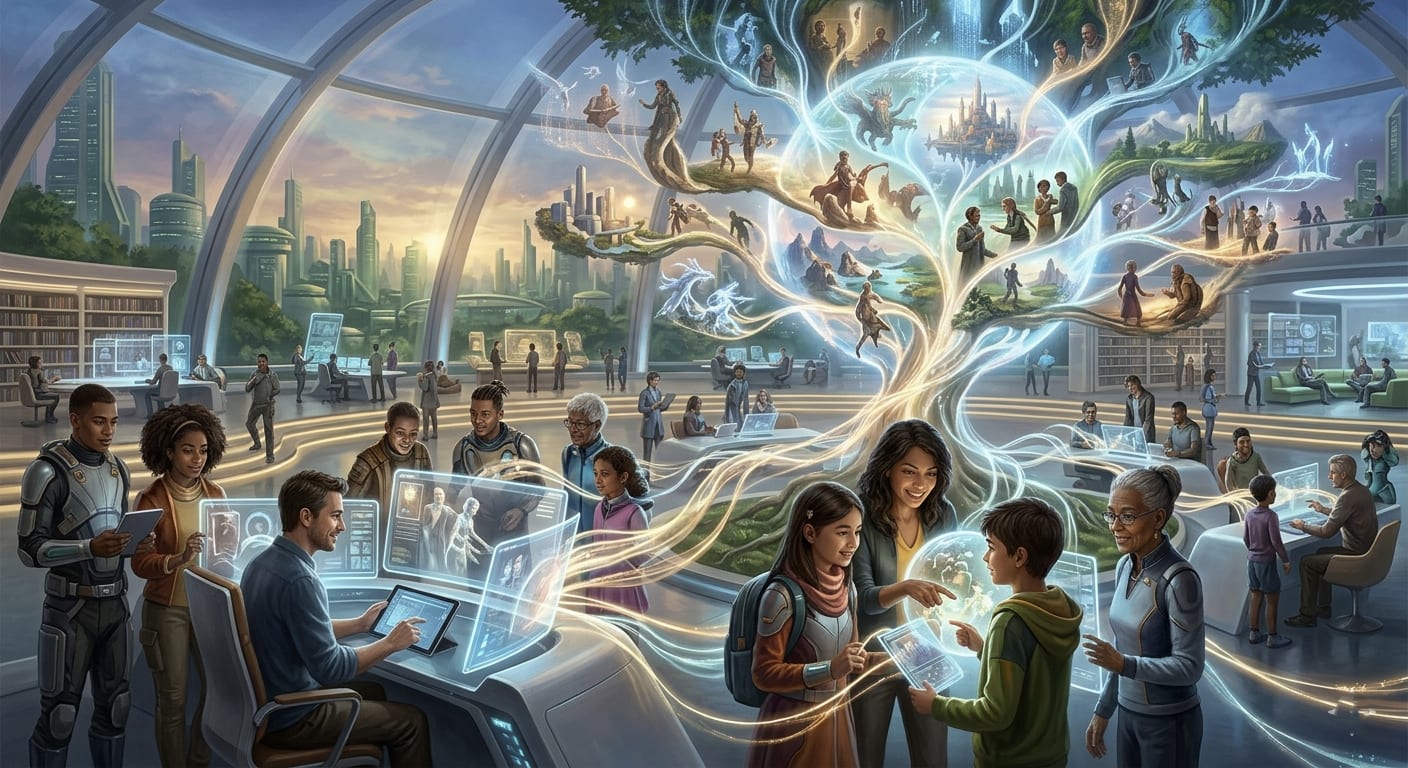
How Authors Can Start Writing Interactive Fiction
Getting started with interactive storytelling does not require advanced technology or massive audiences.
Even beginner writers can build highly engaging interactive experiences by following a few core principles.
Start With a Strong Hook
Interactive stories need immediate engagement.
Introduce readers to a compelling dilemma early.
The first major decision should feel meaningful but manageable.
For example:
- Should the protagonist reveal a dangerous secret?
- Should they save one character or another?
- Should they trust the villain’s offer?
Strong choices create emotional investment.
Build Flexible Story Foundations
Instead of planning every detail rigidly, create a flexible narrative framework.
Think of your world as a sandbox.
Establish the rules, lore, and major conflicts, but leave room for reader-driven evolution.
This flexibility allows the story to grow naturally.
Encourage CommunityParticipation
Readers are more likely to engage when they know their voices matter.
Actively invite discussion.
Ask questions.
Respond to theories.
Acknowledge creative comments.
Building an active community is just as important as writing the story itself.
Maintain Consistent Updates
Consistency is essential in interactive fiction.
Readers who participate expect results.
If you hold polls or request feedback, follow through reliably.
A predictable update schedule builds trust and long-term retention.
Reward Loyal Readers
Recognizing active community members strengthens engagement.
Simple gestures can have a massive impact:
- Mention reader names in author notes
- Credit theory contributors
- Highlight creative comments
- Include community-inspired elements
Readers who feel appreciated become long-term supporters.
SEO and the Future of Interactive Storytelling Content
Interactive fiction is not only transforming storytelling.
It is also creating major SEO opportunities.
Search engines increasingly prioritize content that demonstrates expertise, originality, engagement, and user value.
Interactive storytelling naturally generates:
- Longer user sessions
- Higher comment activity
- Stronger audience retention
- More community discussion
- Frequent content updates
These signals help improve visibility and authority over time.
Additionally, interactive fiction content naturally includes long-tail search terms readers actively search for, such as:
- How to write interactive fiction
- Best interactive storytelling platforms
- Reader-driven web novels
- Collaborative storytelling techniques
- How to build engaged web novel communities
Writers and platforms that provide genuinely useful, detailed content around these topics can build strong topical authority in the storytelling niche.
In 2026, helpful and human-centered content matters more than ever.
Search engines are rewarding depth, authenticity, and user experience.
That creates a massive opportunity for platforms willing to invest in real value instead of shallow content.
The Future of Web novels Is Community-Driven
Interactive fiction is no longer a niche experiment.
It is becoming one of the defining trends of modern digital storytelling.
Readers want more than entertainment.
They want involvement.
They want emotional impact.
They want stories that respond to them.
As technology continues evolving and online communities grow stronger, the boundary between creator and audience will continue to blur.
The next generation of successful authors will not simply write for readers.
They will build worlds with them.
Platforms like Readnovax.in are positioned perfectly for this future because they support the direct, human-centered connections that modern storytelling requires.
For independent writers, this is an exciting moment.
The barriers to entry are lower than ever.
The opportunities for community growth are massive.
And the demand for interactive storytelling continues to rise.
The future of web novels belongs to creators who understand one simple truth:
Stories become more powerful when readers feel like they are part of them.
Conclusion
Interactive fiction is reshaping the entire web novel industry.
What once felt like passive entertainment has evolved into a collaborative creative experience where readers actively influence narratives, characters, and fictional worlds.
This transformation is changing how audiences connect with stories and how authors build loyal communities.
For writers, interactive storytelling offers something incredibly valuable: deeper engagement, stronger retention, and a more personal relationship with readers.
For readers, it creates emotional investment that traditional storytelling often cannot match.
As the digital publishing landscape continues evolving in 2026 and beyond, platforms that prioritize authentic community interaction will lead the future of storytelling.
Interactive fiction is not just a trend.
It is the next evolution of web novels.
If you are an aspiring author looking to build a passionate audience, now is the perfect time to explore reader-driven storytelling.
And if you are a reader, the future promises something even more exciting than consuming stories.
It offers the chance to help shape them.
Stay connected with Readnovax.in for more insights on modern storytelling, web novel growth strategies, and the future of digital fiction.
Frequently Asked Questions
What is interactive fiction in web novels?
Interactive fiction in web novels refers to stories where readers can influence the narrative through polls, comments, decisions, or community participation. It transforms readers from passive audiences into active contributors.
How do authors let readers influence stories?
Authors use tools such as voting systems, reader polls, comment-driven theories, character Q&A sessions, and community discussions to involve readers in story development.
Are interactive web novels more successful than traditional web novels?
Interactive web novels often achieve higher engagement and stronger reader loyalty because audiences feel emotionally invested in the story. However, both formats can succeed depending on the author’s goals and execution.
What are the benefits of interactive storytelling?
Interactive storytelling increases reader retention, builds stronger communities, creates viral discussion opportunities, and encourages deeper emotional connections between readers and characters.
Is interactive fiction the future of digital storytelling?
Many industry trends suggest that interactive storytelling will continue growing as audiences increasingly seek personalized and participatory entertainment experiences online.